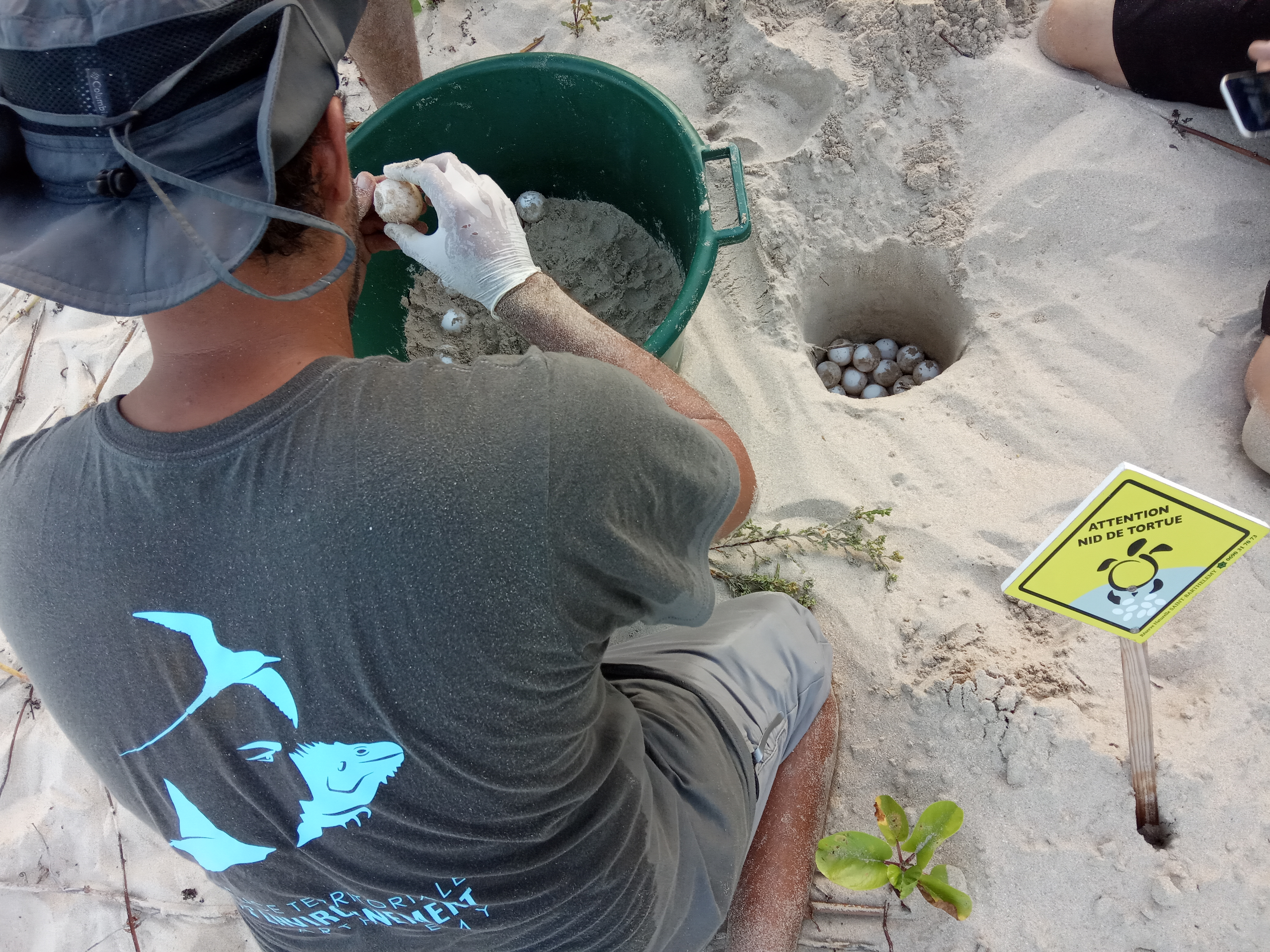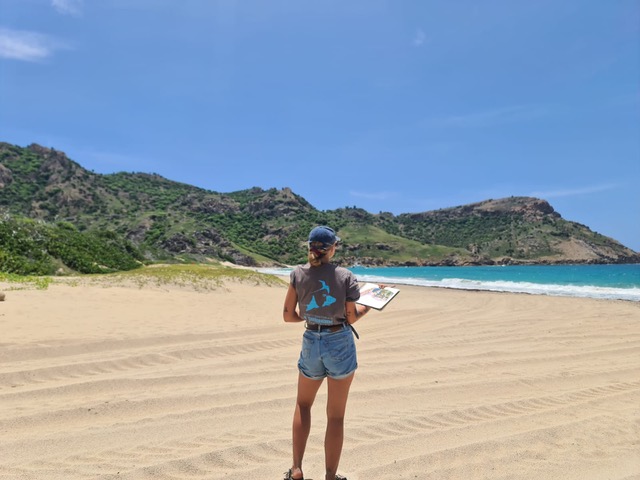
Les inventaires, missions et suivis scientifiques permettent d’améliorer les connaissances sur les espèces et milieux présents sur l’île. Déterminer les espèces et les milieux les plus sensibles, suivre leur évolution, identifier les mesures réglementaires ou actions à mettre en place et vérifier l’efficacité des mesures prises, fait partie des objectifs de ces suivis.
A continuous inventory, enriched by targeted missions, now lists more than 2,700 taxa (1,985 animals and 715 plants, updated December 2024). This work highlights the island's biological richness and the importance of monitoring it.
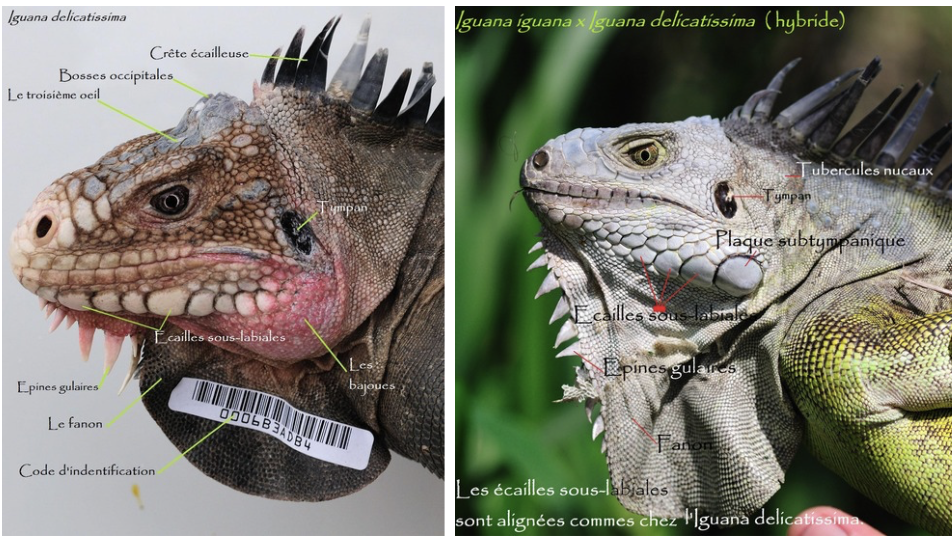
Monitored since 2011 using capture-mark-recapture techniques, 758 individuals have been tagged, providing key data on their biology and distribution. But the threats are serious: 55 deaths caused by domestic animals (16%), 247 by vehicles (73%), and 7 by other human causes (2%).
The most endangered species on the island, the snake remains poorly understood despite its major conservation importance. Monitoring involves transects, targeted counts, and opportunistic observations, supplemented by ecological data (reproduction, diet).
Five species have been recorded, with populations often declining. Increased public visitation to caves and shelters is a major cause of these declines. A report has been drafted but has not been published in order to protect sensitive sites.
Monitored every month since 2011, they show a decline in numbers and species richness. This trend highlights the fragility of wetlands and the need to strengthen their protection.
Report on the Ten-Year Evolution of Waterbirds in Saint Barthélemy (Lesser Antilles) 1999 to 2024
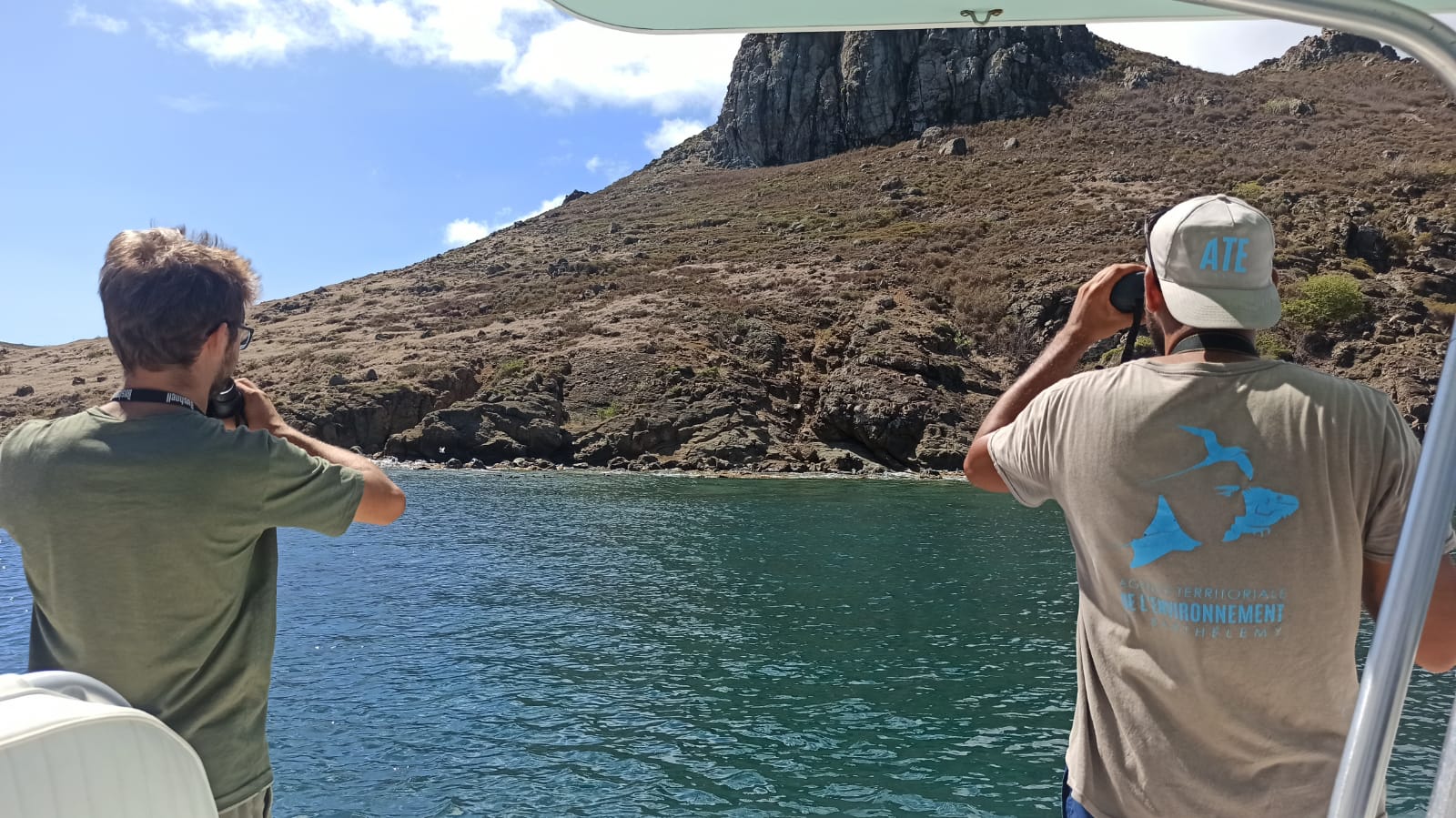
Counted annually since 2011, their numbers are increasing significantly (1,122 in 2023, 1,374 in 2024) despite reduced monitoring. The colonies are showing positive dynamics but require constant monitoring.
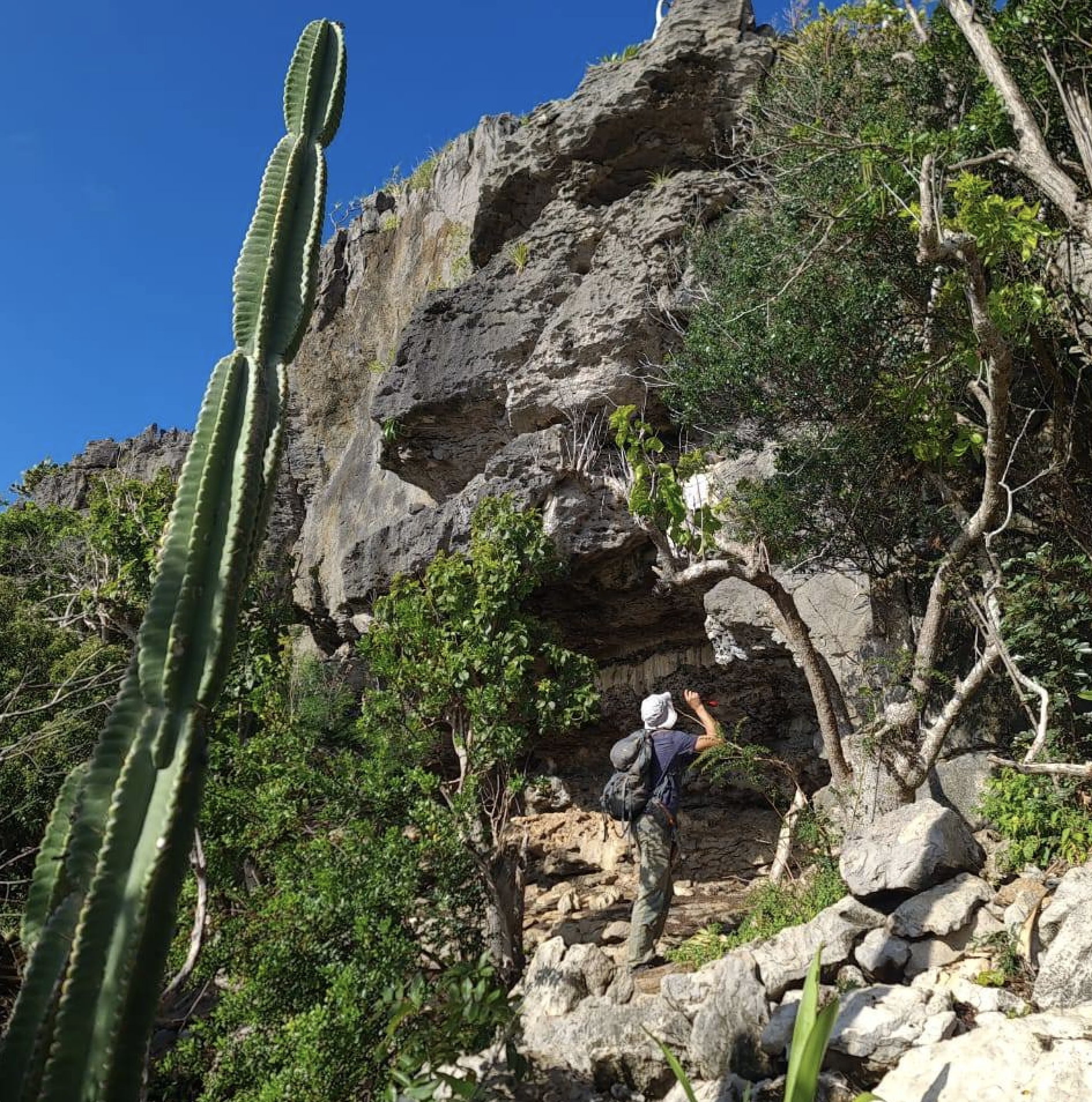
Throughout the year, we explore the island's most natural areas—Morne de Grand-Fond, Pointe de Gouverneur, the former Flamands ranch, Morne de Petite Saline, Grand Colombier, etc.—to map the flora of Saint Barthélemy. These surveys identify trees, shrubs, and herbaceous plants, detect the appearance and disappearance of species, and document flowering and fruiting seasons. We also collect seeds for the nursery and for species reproduction and reintroduction projects. When a remarkable species of fauna is encountered, it is reported and mapped. When a remarkable species of wildlife is encountered, it is reported and mapped on Inaturalist (see “Taking action by participating on a daily basis”).
Using quadrat surveys in dense areas, we measure the population status (adults, juveniles, and mortality) of Melocactus intortus, also known as “Turk's Head.” Mortality measurements quantify the impact of the Cactoblastis cactorum moth caterpillar and grazing by goats.
At Grand-Fond, we combine drone shots (2–3 times/year) of the overall beach vegetation with bimonthly monitoring of individuals of Tournefortia gnaphalodes (known as white seaside rosemary). The goal is to visualize how the vegetation cover is changing in response to weather conditions, urbanization, and pressure from the Utetheisa pulchella caterpillar on Tournefortia g. This dual approach, which combines panoramic views with close-up shots of the plants, allows us to evaluate coastal conservation measures to be implemented.
Every year, the Fort Carl Land-based Educational Area welcomes new plantings of native species. We closely monitor the recovery, growth, and ultimately the phenology (flowering/fruiting cycles) of each taxon in order to calibrate the ideal conditions for restoration (soil, exposure, watering, care). This site involves young people and the public, raises awareness, and serves as an open-air laboratory to improve our reforestation and reintroduction practices. Individual monitoring of species improves our knowledge of each one.
In addition, from November to February—the most favorable period for rooting—we carry out planting in various areas of the island, using plants from the nursery or schools. The goal is to regreen the most impacted areas and recreate habitats suitable for wildlife.
Since 2022, germination tests have been conducting to better understand germination capacity, emergence times, and storage methods suitable for native species. Some seeds require rapid sowing after harvest, while others can be stored for several years: our protocols distinguish between these cases and optimize propagation to support planting and reintroduction efforts. Ultimately, these tests transform detailed knowledge of species into concrete conservation actions in the field.